
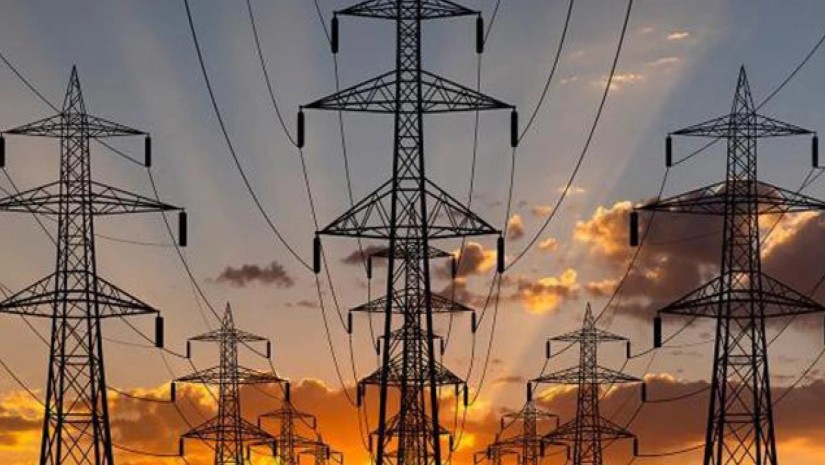

Tbilisi (GBC) – According to the officially declared data by the National Statistics Office of Georgia, electricity production in Georgia decreased by 1.1 percent in 2024 compared to the previous year, amounting to 14 234.1 million kilowatt-hours.
During 2024, 35.8 thousand tonnes of crude oil (8.0 percent less than in the previous year), 177.8 thousand tonnes of coal (20.1 percent more than in the previous year), and 15.9 million m of natural gas (3.0 percent less than in the previous year) were extracted. According to the survey results, firewood production in 2024 decreased by 7.2 percent compared to the previous year, amounting to 1 034.6 thousand m³.
As of the document, In 2024, Final electricity consumption amounted to 13 006.1 million kilowatt-hours, which is 6.0 percent more than in the previous year. According to 2024 data, the demand for natural gas amounted to 3 404.3 million m³ (1.1 percent more than in the previous year), while the final consumption of natural gas for the same period totaled to 2 711.2 million m³, which is 7.7 percent more than in the previous year. Compared to 2023, consumption of natural gas increased in certain subsectors of industry, as well as in services and agriculture, while a decline was observed in road transport.
According to survey results, 1 578.6 thousand tonnes of petroleum products were consumed in the country in 2024 (8.4 percent more than in the previous year). Natural gas accounted for 42.4 percent in the structure of energy resource consumption, while petroleum products also represented a relatively high share (29.6 percent), followed by electricity (20.5 percent). Meanwhile, coal constitutes for 3.5 percent of the energy consumed during the year, and the remaining 4 percent was from biofuel, geothermal, and solar energy.
The sectorial analysis of energy consumption in 2024 shows that the largest consumers of energy resources are the transport and residential sectors, accounting for 33.0 and 31.9 percent of total consumption, respectively. As for the other sectors, 15.3 percent is attributed to industry, 4.3 percent —to construction, 0.6 percent — to agriculture, forestry and fishing, while the remaining 14.9 percent is distributed between commercial and public services and other consumers.