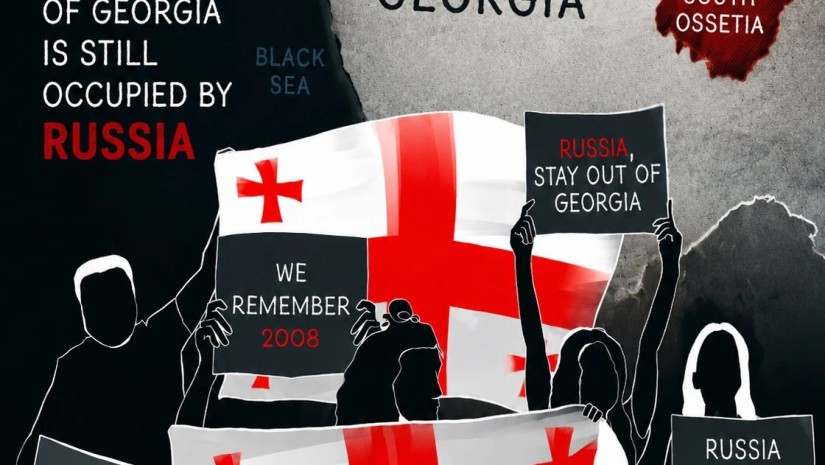

Tbilisi (GBC) – Eighteen years have passed since the August 2008 Russia-Georgia war. On this date, Georgia’s international partners have once again reaffirmed their support for the country’s sovereignty and territorial integrity and condemned Russia’s ongoing occupation of Georgian territories.
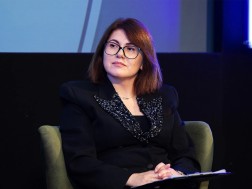
Finnish Foreign Minister Elina Valtonen wrote on X that, since Russia’s 2008 invasion, Abkhazia and the Tskhinvali region (“South Ossetia”) have remained under occupation.
“Finland firmly supports Georgia’s sovereignty and territorial integrity. We call on Russia to fulfill its obligations under the 2008 ceasefire agreement,” Valtonen said.
A statement in support of Georgia was also issued by the Latvian Ministry of Foreign Affairs. The ministry emphasized that Latvia will continue to support the Georgian people in their efforts to resist Russian occupation forces and their allies.
“On the 18th anniversary of Russia’s aggression against Georgia, Latvia reaffirms its support for the sovereignty and territorial integrity of Georgia and strongly condemns the occupation of South Ossetia and Abkhazia,” the statement reads.
Latvian Foreign Minister Baiba Braže also addressed the issue on social media.
“18 years have passed since Russia launched its military aggression against Georgia. Despite this, 20% of Georgia’s territory remains under Russian occupation. Latvia will never recognize this and unwaveringly supports Georgia’s sovereignty, territorial integrity and internationally recognized borders,” Braže wrote.
During the August 2008 Russia-Georgia war, 170 servicemen of the Georgian Ministry of Defense, 14 employees of the Ministry of Internal Affairs, and 224 civilians were killed. The total number of wounded and injured civilians and military personnel reached 2,232, including 1,045 servicemen.
Today, 20% of Georgia’s internationally recognized territory remains occupied. The Russian Federation continues to occupy and militarize Abkhazia and the Tskhinvali region, carrying out illegal military exercises, strengthening the occupation line with barbed wire and various artificial barriers, and continuing the practice of illegal detention and abduction of local residents.
Shortly after the end of the war, Russia recognized the independence of Abkhazia and “South Ossetia,” despite the fact that the international community continues to firmly support Georgia’s territorial integrity and sovereignty within its internationally recognized borders.